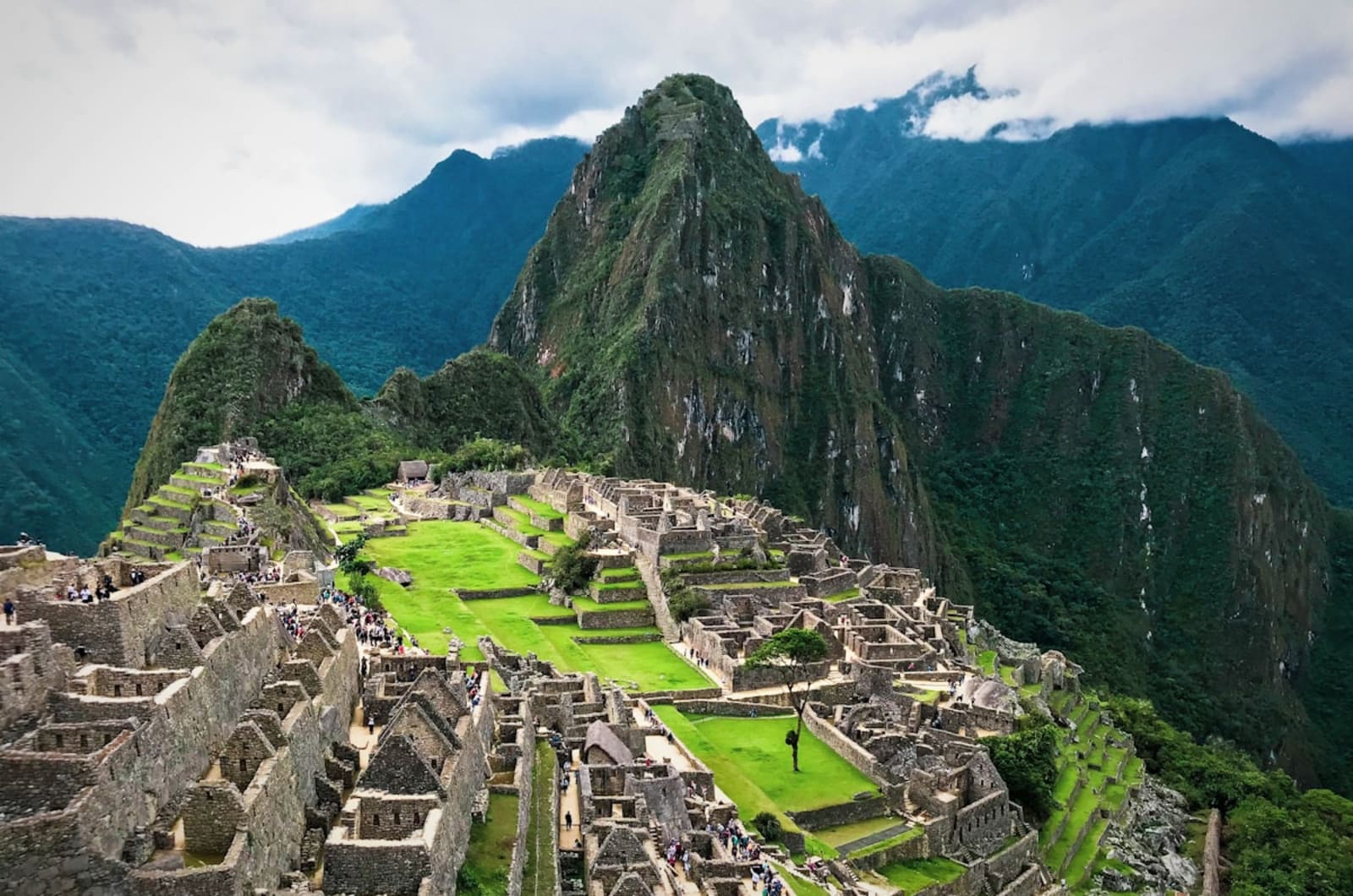
Before you travel
Health preparation for Peru
Peru's altitude — Cusco sits around 3,400m — makes altitude sickness a genuine consideration for most visitors, alongside routine travel vaccines.
Amazon basin extensions bring yellow fever into the conversation, because UK guidance recommends vaccination for the lowland regions below 2,300m, while malaria there is low risk and rarely needs tablets.
Final vaccine and medicine recommendations always depend on your medical history, previous vaccinations, current travel health guidance, trip duration and planned activities. This page is general information, not a personal clinical recommendation — book a consultation so our pharmacist can assess your individual trip.
Personalised recommendations
Vaccines commonly discussed
Yellow fever vaccination recommended for parts of this trip
No single list applies to everyone. Recommendations depend on your route, trip length, activities, health and previous vaccinations.
View the South America & the Caribbean regional travel-health guide
Mosquito-borne illness
Malaria risk and bite prevention
Low risk in the Amazon basin, especially Loreto, and in rural areas below 2,000m, where bite avoidance is advised. No risk in Lima, on the coast south of Chiclayo, or at altitude in Cusco and the Sacred Valley. Antimalarial tablets are only considered in exceptional circumstances.
Risk can differ within a country and can change over time. A consultation assesses your exact itinerary and whether antimalarial medicine should be considered.
Read the malaria prevention guideBeyond vaccination
Practical advice for your trip
- Altitude sickness prevention around Cusco and the Inca Trail
- Mosquito bite prevention for Amazon extensions; antimalarial tablets are rarely needed
- Food and water hygiene
- Sun protection at altitude
Food, water and traveller's diarrhoea
Follow careful food and water hygiene where standards are uncertain. Vaccination does not replace these everyday precautions.
Climate planning
May to September (dry season) is popular for the Inca Trail and Machu Picchu.
Entry requirements
UK passport holders can generally visit visa-free for short tourist stays; check current rules.
Yellow fever
There is no certificate requirement for entry to Peru. Vaccination is recommended for travellers aged 9 months and older visiting areas below 2,300m, including the Amazon regions of Loreto, Madre de Dios, Amazonas, San Martín and Ucayali and the lowland parts of the Cusco and Puno regions. It is not recommended for Lima, Cusco city, Puno city, Machu Picchu, the Inca Trail or anywhere above 2,300m. Peru reported 49 cases and 19 deaths in 2025 and further cases in Madre de Dios in March 2026.
Entry and certificate rules can change. Check the latest official foreign travel advice on GOV.UK before departure, and see TravelHealthPro for country-specific health guidance. Yellow Fever vaccination is not currently administered at this clinic; where a requirement is relevant, the pharmacist can discuss your itinerary and explain that an authorised Yellow Fever Vaccination Centre may be needed.
Common questions
Peru travel health FAQs
Allowing time to acclimatise in Cusco before trekking, staying hydrated and ascending gradually all help. Your pharmacist can talk through symptoms to watch for and options that may help with acclimatisation.
If you feel seriously unwell
- If you are seriously unwell abroad, seek local emergency medical care immediately.
- If you are seriously unwell after returning to the UK, call 999 or go to A&E — always mention any recent travel.
- For urgent but non-emergency advice in the UK, call NHS 111 or contact your GP.