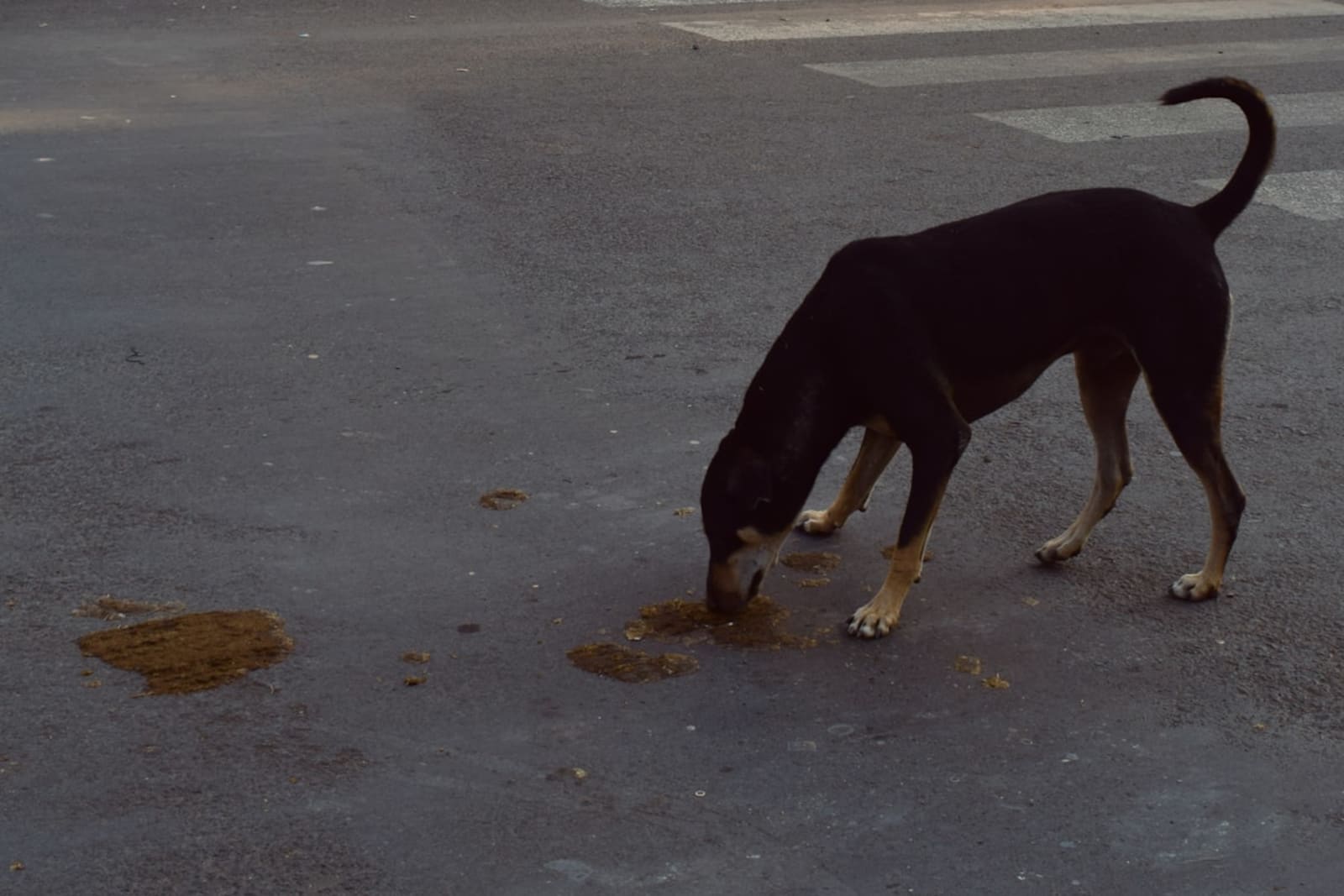
Understand the risk
The disease and how it spreads
Rabies is a viral infection affecting the brain and nervous system. Once symptoms develop it is usually fatal, so prompt action after possible exposure is essential.
It is passed through the saliva of an infected animal, most often through a bite or scratch.
You can read more about travel vaccinations on the NHS website.
Individual assessment
Who may consider Rabies vaccination
- Travellers to rural or remote areas of Asia, Africa or Latin America
- Backpackers, cyclists, runners and long-stay travellers
- Those working with animals, or travelling with children who may not report animal contact
Suitability is assessed during consultation. Tell the pharmacist about allergies, pregnancy, health conditions, medicines and previous vaccinations.
Plan ahead
Course, timing and safety
How it is given
A course of 2–3 injections spread over at least a week, depending on the schedule used.
Course timing
Typically completed over 7–28 days depending on how soon you travel.
Common side effects
- Soreness, redness or swelling at the injection site
- Headache or tiredness
- Mild flu-like symptoms
Most side effects are mild and short-lived. Your pharmacist will explain what to expect and when to seek medical help.
Common questions
Rabies FAQs
Yes. Pre-exposure vaccination simplifies but doesn't remove the need for treatment after a bite or scratch — you would usually still need further doses, but not the additional immunoglobulin that unvaccinated travellers often require. Always seek medical attention promptly after any animal bite abroad.
Rural and remote travel raises the risk, but rabies exposure can also happen in cities, especially from stray dogs, monkeys or bats. Your pharmacist will assess your itinerary and activities to see whether it's appropriate for you.