Understand the risk
The disease and how it spreads
Protects against a mosquito-borne viral infection found in parts of Asia, generally recommended for longer stays or rural travel during transmission season.
The relevant exposure routes and level of risk depend on the disease, destination and activities planned. Your pharmacist will explain the risks that apply to your itinerary during consultation.
You can read more about travel vaccinations on the NHS website.
Individual assessment
Who may consider Japanese Encephalitis vaccination
- Travellers spending a month or more in affected areas of Asia
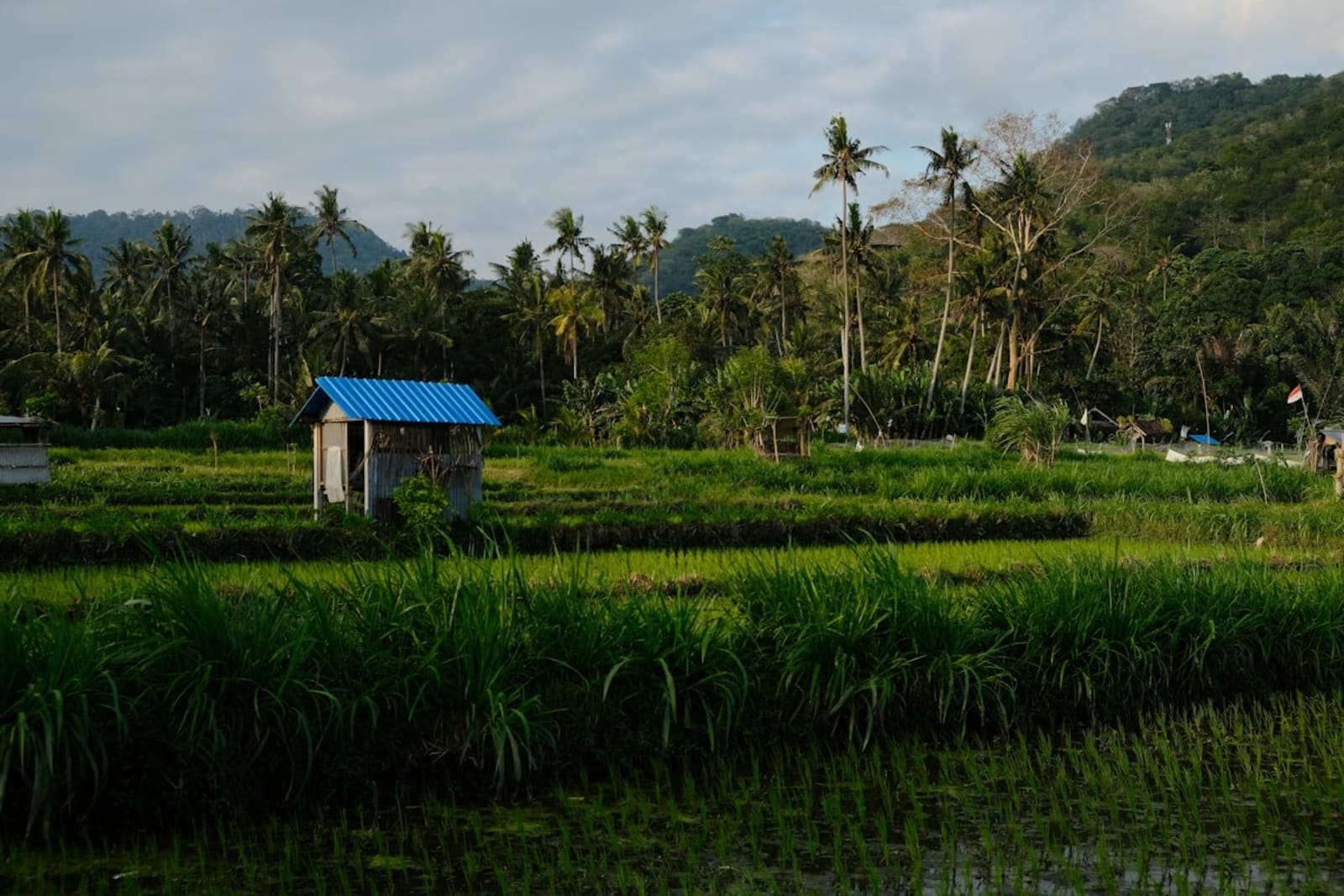
- Those visiting rural areas with rice paddies or pig farming during transmission season
- Travellers with extensive outdoor evening exposure in risk areas
Suitability is assessed during consultation. Tell the pharmacist about allergies, pregnancy, health conditions, medicines and previous vaccinations.
Plan ahead
Course, timing and safety
How it is given
A course of 2 injections, usually given 28 days apart (a faster schedule may be available).
Course timing
Course completed at least a week before travel for full protection to develop.
Common side effects
- Soreness at the injection site
- Headache or muscle ache
- Tiredness
Most side effects are mild and short-lived. Your pharmacist will explain what to expect and when to seek medical help.
Common questions
Japanese Encephalitis FAQs
No — it's generally reserved for longer trips or rural stays during the local transmission season. Short city-based holidays often don't require it, but your pharmacist will assess your specific itinerary.
Yes — bite prevention remains important as it also protects against other mosquito-borne illnesses like dengue and malaria, which this vaccine doesn't cover.