Before you travel
Health preparation for Cambodia
Cambodia is commonly combined with neighbouring countries on a South East Asia trip, and has more limited healthcare infrastructure in rural areas than some neighbouring destinations.
Malaria risk across Cambodia is low, very low around Angkor and Siem Reap and absent in Phnom Penh, so for most visitors the focus is mosquito bite avoidance rather than tablets.
Final vaccine and medicine recommendations always depend on your medical history, previous vaccinations, current travel health guidance, trip duration and planned activities. This page is general information, not a personal clinical recommendation — book a consultation so our pharmacist can assess your individual trip.
Personalised recommendations
Vaccines commonly discussed
No single list applies to everyone. Recommendations depend on your route, trip length, activities, health and previous vaccinations.
View the Asia regional travel-health guide
Hepatitis A&B CombinedMost travellers
Commonly recommended
£85 per dose (adult & junior)
TyphoidMost travellers
Commonly recommended
£38 per dose
RabiesSome travellers
Considered for rural travel or longer stays
£74 per dose / £222 for a full course
Japanese EncephalitisSome travellers
Considered for rural stays during transmission season
£109 per dose
DTPAll travellers
Booster if it's been over 10 years
£38 per dose
Mosquito-borne illness
Malaria risk and bite prevention
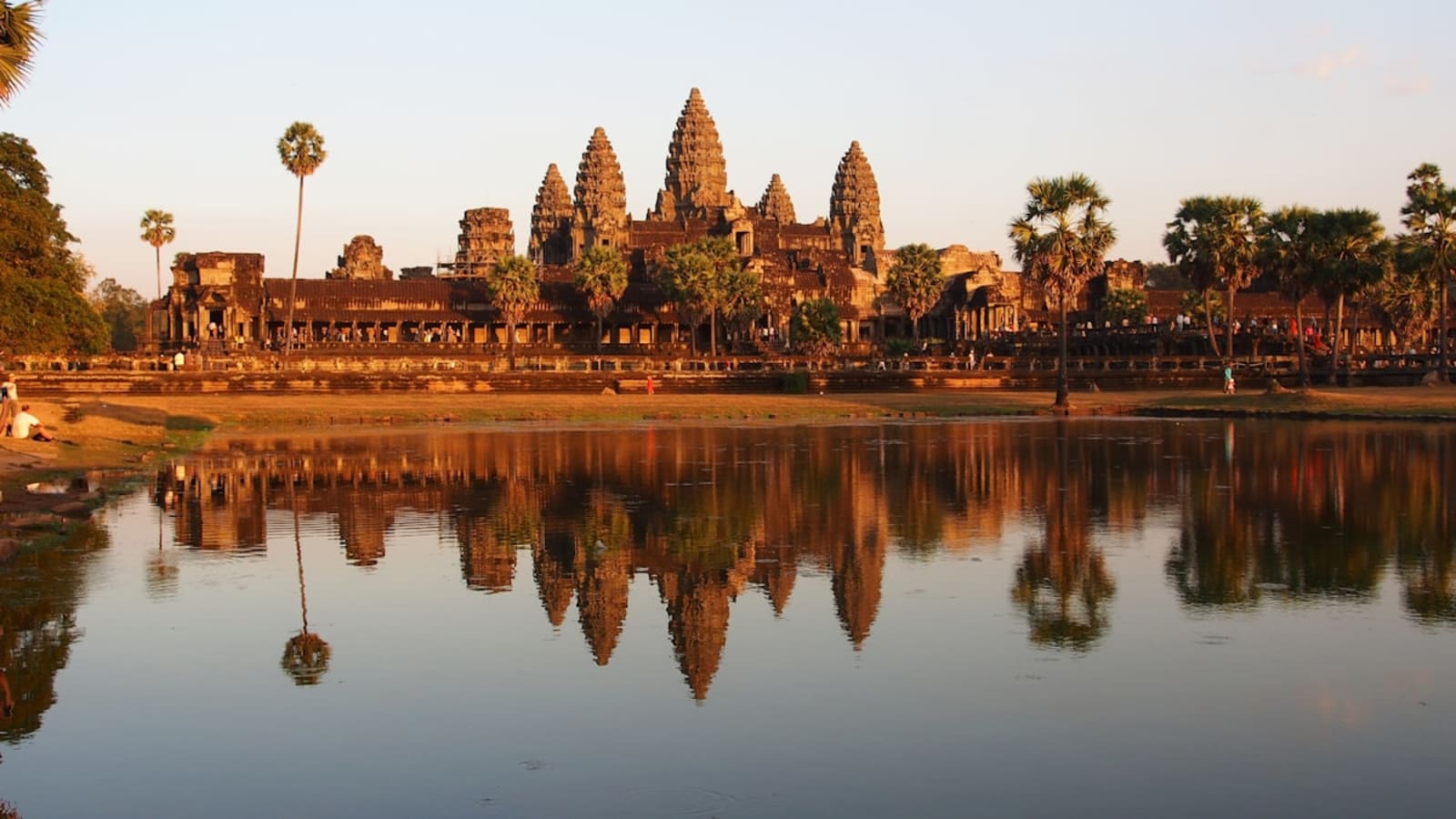
Low risk across Cambodia with bite avoidance advised; very low risk at Angkor Wat, Siem Reap and around Lake Tonle Sap; no risk in Phnom Penh. Antimalarial tablets are only considered for special risk groups after an individual assessment.
Risk can differ within a country and can change over time. A consultation assesses your exact itinerary and whether antimalarial medicine should be considered.
Read the malaria prevention guideBeyond vaccination
Practical advice for your trip
- Mosquito bite prevention for dengue and malaria; antimalarial tablets are rarely needed
- Food and water hygiene
- Limited healthcare access outside major towns
Food, water and traveller's diarrhoea
Follow careful food and water hygiene where standards are uncertain. Vaccination does not replace these everyday precautions.
Climate planning
November to February is generally cooler and drier.
Entry requirements
A visa is generally required for UK travellers, available on arrival or in advance.
Yellow fever
No yellow fever vaccination is needed for travel from the UK. A certificate is only required from travellers over 1 year of age arriving from a yellow fever risk country, and for travellers who have transited for more than 12 hours through an airport in one.
Entry and certificate rules can change. Check the latest official foreign travel advice on GOV.UK before departure, and see TravelHealthPro for country-specific health guidance. Yellow Fever vaccination is not currently administered at this clinic; where a requirement is relevant, the pharmacist can discuss your itinerary and explain that an authorised Yellow Fever Vaccination Centre may be needed.
Common questions
Cambodia travel health FAQs
Not usually. Angkor Wat and Siem Reap are very low risk and Phnom Penh has no risk. Even rural and forested areas are graded low risk in UK guidance, with bite avoidance rather than tablets as the advice. Tablets are only considered for special risk groups, which your pharmacist will assess.
If you feel seriously unwell
- If you are seriously unwell abroad, seek local emergency medical care immediately.
- If you are seriously unwell after returning to the UK, call 999 or go to A&E — always mention any recent travel.
- For urgent but non-emergency advice in the UK, call NHS 111 or contact your GP.