The short answer
Do I need injections for Cape Verde?
Usually two. Hepatitis A and typhoid are recommended for most travellers to Cape Verde. Hepatitis A can be given as the combined hepatitis A and B vaccine. It is also worth checking your routine NHS vaccinations are up to date. Cape Verde does not ask travellers arriving directly from the UK for any vaccination certificates.
Do you need malaria tablets for Cape Verde? No. The World Health Organization declared Cape Verde malaria-free in 2024, so antimalarial tablets are not recommended for Sal, Boa Vista or any of the islands. Mosquito bite prevention still matters for other infections such as dengue.
Hepatitis A and B and typhoid can be given at a single appointment, so 2 to 4 weeks before you fly is enough for most Cape Verde trips. The consultation is free and we are open 7 days a week in Cramlington with free parking.
Before you travel
Health preparation for Cape Verde
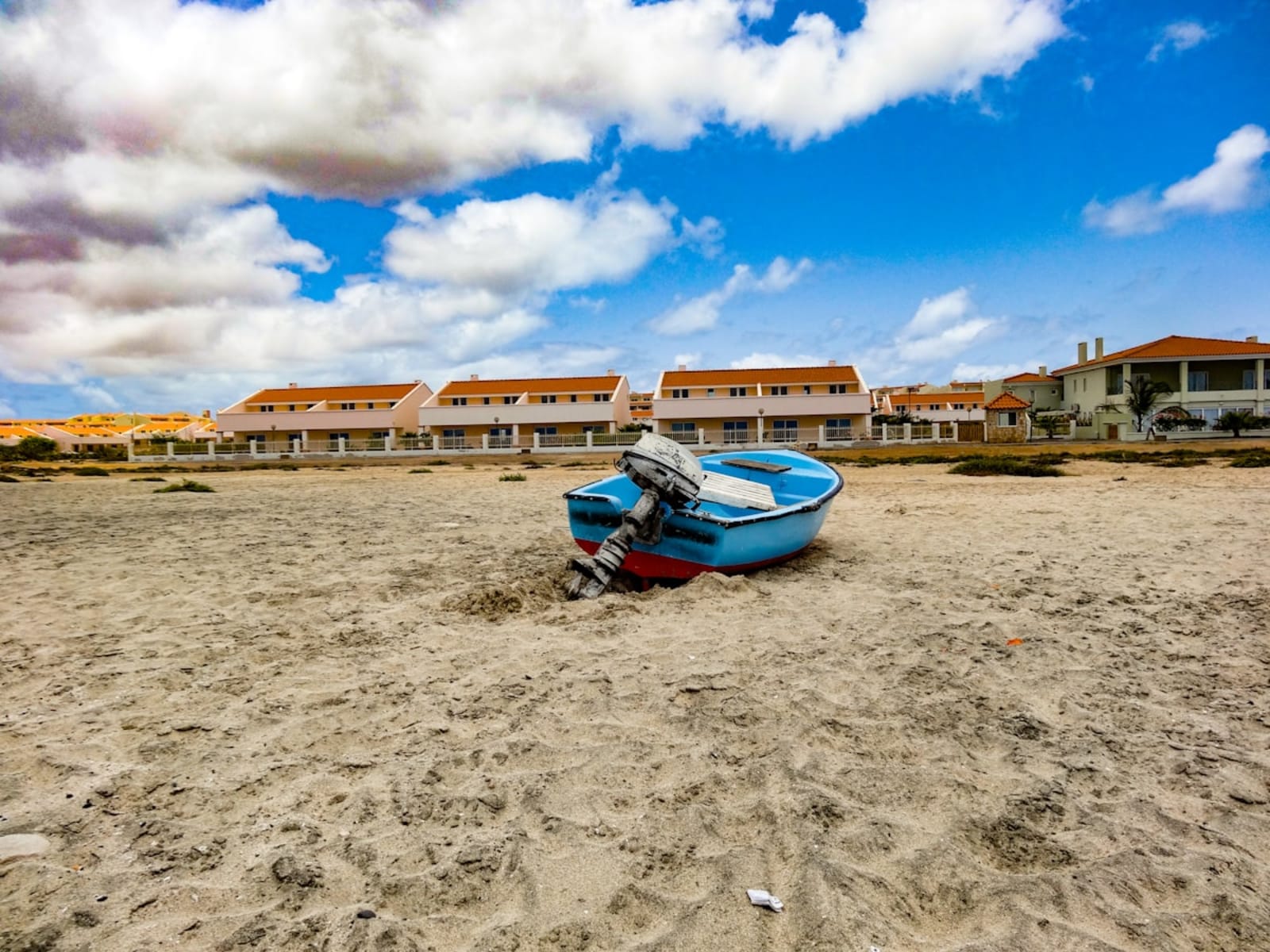
Cape Verde has become a popular alternative winter-sun destination, generally visited for beach resorts on islands such as Sal and Boa Vista.
Health risks are generally considered lower here than on the West African mainland, though routine travel vaccines are still worth discussing.
Final vaccine and medicine recommendations always depend on your medical history, previous vaccinations, current travel health guidance, trip duration and planned activities. This page is general information, not a personal clinical recommendation — book a consultation so our pharmacist can assess your individual trip.
Personalised recommendations
Vaccines commonly discussed
No single list applies to everyone. Recommendations depend on your route, trip length, activities, health and previous vaccinations.
Mosquito-borne illness
Malaria risk and bite prevention
No malaria risk. The World Health Organization declared Cape Verde malaria-free in 2024. Bite avoidance is still recommended.
Risk can differ within a country and can change over time. A consultation assesses your exact itinerary and whether antimalarial medicine should be considered.
Read the malaria prevention guideBeyond vaccination
Practical advice for your trip
- Food and water hygiene, especially outside resorts
- Sun protection
- Strong winds and watersports safety on some islands
Food, water and traveller's diarrhoea
Follow careful food and water hygiene where standards are uncertain. Vaccination does not replace these everyday precautions.
Climate planning
November to July avoids the wetter late-summer months.
Entry requirements
UK passport holders can generally obtain a visa on arrival or e-visa; check current rules.
Yellow fever
No yellow fever vaccination is needed for travel from the UK. A certificate is only required from travellers arriving from a yellow fever risk country.
Entry and certificate rules can change. Check the latest official foreign travel advice on GOV.UK before departure, and see TravelHealthPro for country-specific health guidance. Yellow Fever vaccination is not currently administered at this clinic; where a requirement is relevant, the pharmacist can discuss your itinerary and explain that an authorised Yellow Fever Vaccination Centre may be needed.
Common questions
Cape Verde travel health FAQs
For most UK travellers the vaccines discussed are combined hepatitis A and B and typhoid. It is also worth checking your routine NHS vaccinations are up to date. The right list depends on your trip, so it is confirmed at your consultation.
The advice is the same for a short resort stay: combined hepatitis A and B is usually recommended because it protects against food and water borne infection from the first day. Typhoid depends on where and how you will be eating. Your pharmacist will confirm at your free consultation.
Prices are per dose: combined hepatitis A and B is £85 per dose and typhoid is £38 per dose. The consultation is free and you only pay for the vaccines you go ahead with.
No. The World Health Organization declared Cape Verde malaria-free in 2024, so antimalarial tablets are not recommended for any of the islands. Mosquito bite prevention is still sensible because of dengue.
Generally, yes, particularly around malaria, but routine travel vaccines and food and water precautions are still worth discussing at consultation.
If you feel seriously unwell
- If you are seriously unwell abroad, seek local emergency medical care immediately.
- If you are seriously unwell after returning to the UK, call 999 or go to A&E — always mention any recent travel.
- For urgent but non-emergency advice in the UK, call NHS 111 or contact your GP.