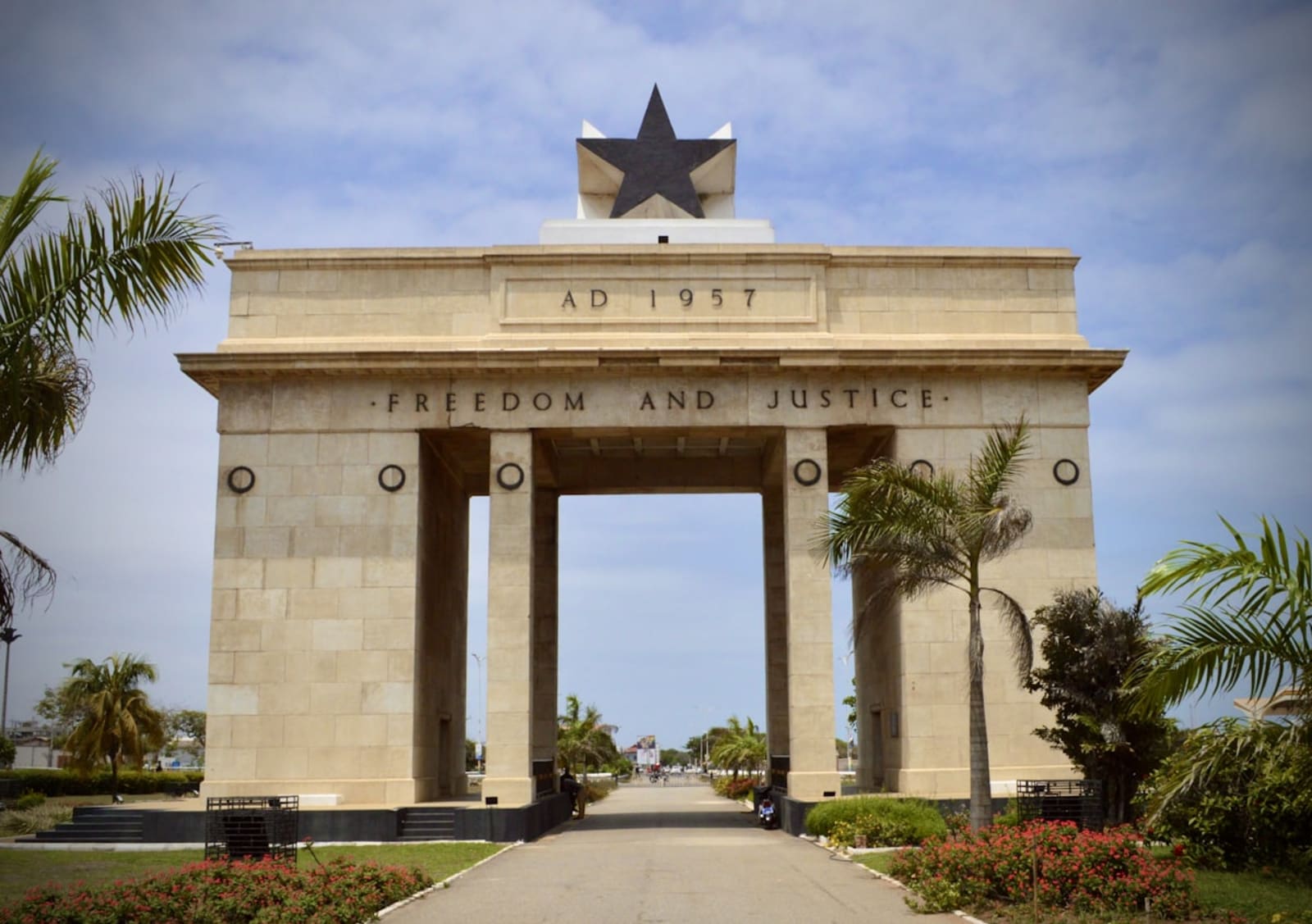
Before you travel
Health preparation for Ghana
Ghana is one of our most frequently booked West African destinations, often for visiting family or exploring heritage roots.
Malaria risk is present nationwide, so prevention is a central part of preparing for almost any trip to Ghana.
Final vaccine and medicine recommendations always depend on your medical history, previous vaccinations, current travel health guidance, trip duration and planned activities. This page is general information, not a personal clinical recommendation — book a consultation so our pharmacist can assess your individual trip.
Personalised recommendations
Vaccines commonly discussed
Yellow fever certificate required for entry
No single list applies to everyone. Recommendations depend on your route, trip length, activities, health and previous vaccinations.
View the Africa regional travel-health guide
TyphoidMost travellers
Widely recommended
£38 per dose
Hepatitis A&B CombinedMost travellers
Widely recommended
£85 per dose (adult & junior)
Meningitis ACWYSome travellers
Considered depending on season and region
£57 per dose
RabiesSome travellers
Considered for longer family stays and rural travel; rabies is present in Ghana
£74 per dose / £222 for a full course
DTPAll travellers
Booster if it's been over 10 years
£38 per dose
Mosquito-borne illness
Malaria risk and bite prevention
Present throughout the country, including in Accra and other major cities, all year round.
Risk can differ within a country and can change over time. A consultation assesses your exact itinerary and whether antimalarial medicine should be considered.
Read the malaria prevention guideBeyond vaccination
Practical advice for your trip
- Malaria prevention nationwide, including in cities
- Food and water hygiene
- Heat and humidity
- Access to healthcare varies significantly outside Accra
Food, water and traveller's diarrhoea
Follow careful food and water hygiene where standards are uncertain. Vaccination does not replace these everyday precautions.
Climate planning
November to March is generally drier.
Entry requirements
A visa is required in advance for UK travellers, and a yellow fever vaccination certificate is required from everyone over 9 months of age. Check current entry requirements before booking.
Yellow fever
A yellow fever vaccination certificate is required from all travellers over 9 months of age entering Ghana, including those arriving directly from the UK, and it is checked as part of the visa application. Vaccination is recommended for everyone aged 9 months and older because there is a risk of transmission in all areas.
Entry and certificate rules can change. Check the latest official foreign travel advice on GOV.UK before departure, and see TravelHealthPro for country-specific health guidance. Yellow Fever vaccination is not currently administered at this clinic; where a requirement is relevant, the pharmacist can discuss your itinerary and explain that an authorised Yellow Fever Vaccination Centre may be needed.
Common questions
Ghana travel health FAQs
Yes, malaria risk is present throughout Ghana, including in the capital, so prevention is recommended for the whole trip.
If you feel seriously unwell
- If you are seriously unwell abroad, seek local emergency medical care immediately.
- If you are seriously unwell after returning to the UK, call 999 or go to A&E — always mention any recent travel.
- For urgent but non-emergency advice in the UK, call NHS 111 or contact your GP.